
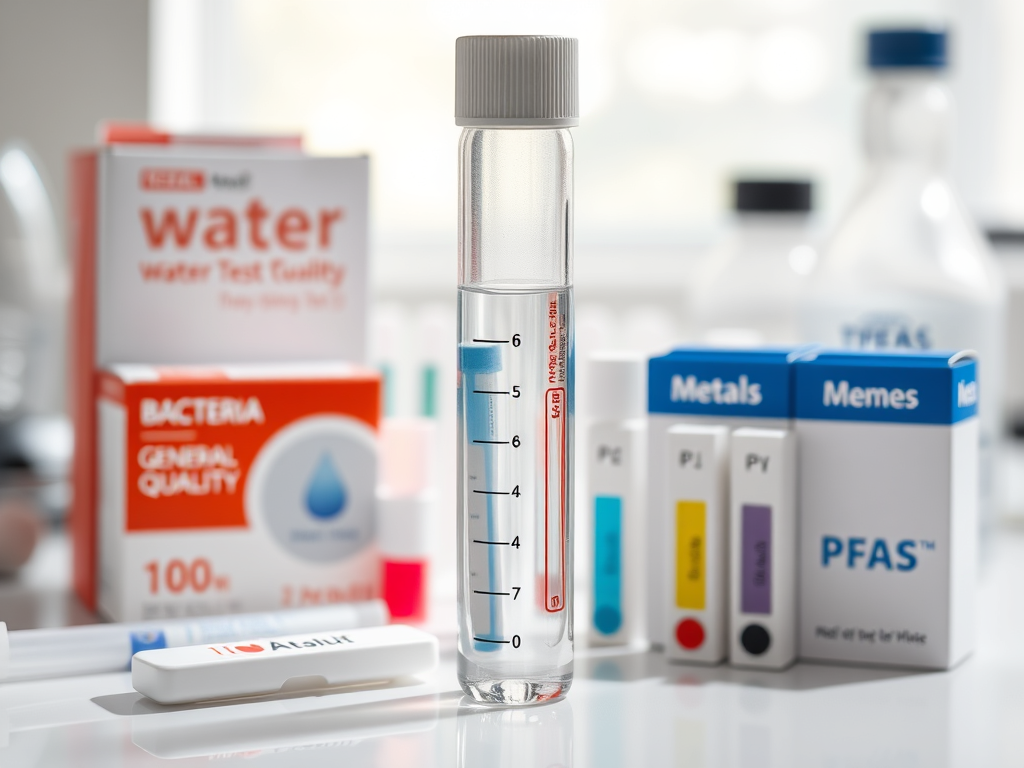
If you browse the Chanalytical Labs shop, it can feel like you’re choosing between a handful of test kits. In reality, you’re building a clearer picture. Most homeowners rarely think about the quality of the water they use every day.
Water testing is not about alarm. It’s about awareness.
According to the United States Environmental Protection Agency, private wells are not regulated like municipal systems. That simply means the homeowner plays a more active role in monitoring water quality. The good news is that with the right approach, that responsibility is straightforward and manageable.
Starting with the Basics: Bacteria Testing
The most practical starting point is a bacteria test. This looks for total coliform and E. coli, which serve as indicators of how well your system is protected.
If bacteria are present, it usually indicates a correctable issue. This could be surface water entering the well or a problem with the well cap or casing. The Centers for Disease Control and Prevention recommends annual bacteria testing for private wells. This practice is a simple way to stay ahead of potential issues.
Think of this as your routine check, similar to changing the batteries in a smoke detector.
Building the Picture: General Water Quality Panels
From there, a general water quality panel provides a broader understanding. It shows how your water interacts with your home and environment.
These panels often include:
- pH
- Nitrates and nitrites
- Hardness
- Iron and manganese
Each of these tells part of the story. Nitrates, for example, can reflect influences from nearby septic systems or fertilizer use. pH and hardness affect how water moves through your plumbing, including whether it may contribute to corrosion over time.
This level of testing helps answer a practical question: is your water stable, or is it changing?
Looking Deeper: Metals Testing
Metals testing adds another layer of clarity, especially for homes with older plumbing or wells drilled into bedrock.
Common elements include:
- Lead
- Arsenic
- Copper
Lead is typically associated with plumbing materials. Arsenic is more often tied to natural geology. This is particularly true in parts of Maine and New Hampshire. Most people cannot detect these issues on their own. Therefore, university extension programs and state health agencies recommend periodic testing.
A metals panel is less about urgency and more about long-term awareness.
Addressing Emerging Concerns: PFAS Testing
One of the most discussed topics in water quality today is PFAS, often referred to as “forever chemicals.”
These compounds have been used in a wide range of products. They are now being studied more closely due to their persistence in the environment. The EPA has introduced updated guidance and standards in response.
PFAS testing is not part of most standard panels. In the Northeast, it is becoming an increasingly common addition for homeowners. They want a more complete understanding of their water.
If you’re exploring this option, a helpful starting point is:
https://www.fpi-web.com/pfas-water-testing
When Specialized Testing Makes Sense
Some tests are situational, but valuable when conditions call for them.
For example:
- Radon in water is relevant in areas with granite-rich geology
- VOCs may be considered near industrial or commercial sites
- Pesticide panels can be useful for properties with agricultural history
These are not necessary for every home. They become important when tied to location, land use, or known environmental factors.
How Chanalytical Fits In
What sets Chanalytical Labs apart is a focus on regional conditions and practical results.
That includes:
- Test panels aligned with Maine and New Hampshire water profiles
- Fast turnaround times
- Clear reporting that helps homeowners understand next steps
The goal is not just to produce data, but to make that data usable.
A Practical Approach Going Ahead
Water testing does not need to be complicated. A simple, consistent approach works well:
- Test annually for bacteria and basic indicators
- Run a broader panel every few years
- Add targeted testing, like PFAS, based on location and risk factors
- Retest if something changes, like heavy rainfall, repairs, or noticeable differences in water quality
This approach aligns with guidance from both the EPA and Maine health authorities and keeps the process manageable.
Bottom Line
Most water issues are not dramatic. They develop gradually, often without obvious signs. Testing provides a way to stay informed and make decisions with confidence.
You do not need to test everything at once. You do need a plan.
Start with the basics. Build from there. And treat water quality the same way you treat the rest of your home, as something worth maintaining, not guessing.